Discovering Alaska's Wild Terrain: The Ultimate Guide to Adventurous Exploration in America's Northern Paradise
Venturing into Alaska's wilderness delivers an unparalleled adventure travel experience, defined by its striking landscapes and abundant wildlife. The area appeals to outdoor enthusiasts looking for activities spanning from hiking to kayaking. complete information However, preparation is essential to navigate its rugged terrain safely. Knowing the optimal times to visit, necessary equipment, and varied outdoor activities can elevate the experience. What awaits those who venture into this northern paradise? The experience promises wonders that transcend the everyday.
The Perfect Time to Discover Alaska's Wilderness
When is the ideal moment to immerse oneself in Alaska's stunning wilderness? The response varies based on the kind of adventure you are looking for. In most cases, the summer season running from late May to early September presents the most suitable environment for outdoor adventures. Within this timeframe, the climate is more temperate, with temperatures hovering between the mid-50s and mid-70s Fahrenheit, and daylight lasting well past evening, making it possible to enjoy extended outdoor activities.
Summer brings particularly active wildlife, with chances to spot migrating birds, bears, and whales. For winter sports enthusiasts, late December to early March offers stunning snowy landscapes and pursuits such as skiing and snowshoeing. Nevertheless, this time of year demands unique preparations owing to frigid temperatures and reduced daylight hours. Consequently, the best time to experience Alaska truly depends on the desired activities and personal comfort with varying weather conditions.
Must-Have Gear for Alaska
To truly appreciate Alaska's breathtaking beauty, visitors must prepare themselves with essential gear tailored for the varying conditions they may face. High-quality waterproof clothing is important, as sudden rain and unpredictable weather can develop. Insulated layers provide warmth in lower temperatures, while ventilated textiles regulate dampness during strenuous endeavors. Durable, water-resistant boots are necessary for moving across different surfaces, ensuring safety and comfort.
A sturdy backpack provides efficient storage of gear, including a first-aid kit, food items, and navigational equipment. Binoculars enhance animal observation, while a compass or GPS device is vital for finding your way in remote areas. Moreover, a multipurpose tool can prove invaluable for numerous situations. Finally, a durable water bottle or hydration system is essential to maintain hydration during explorations. With the appropriate supplies, adventurers can fully immerse themselves in Alaska's awe-inspiring landscapes, providing a rewarding and secure adventure.
Top Outdoor Activities to Experience in Alaska
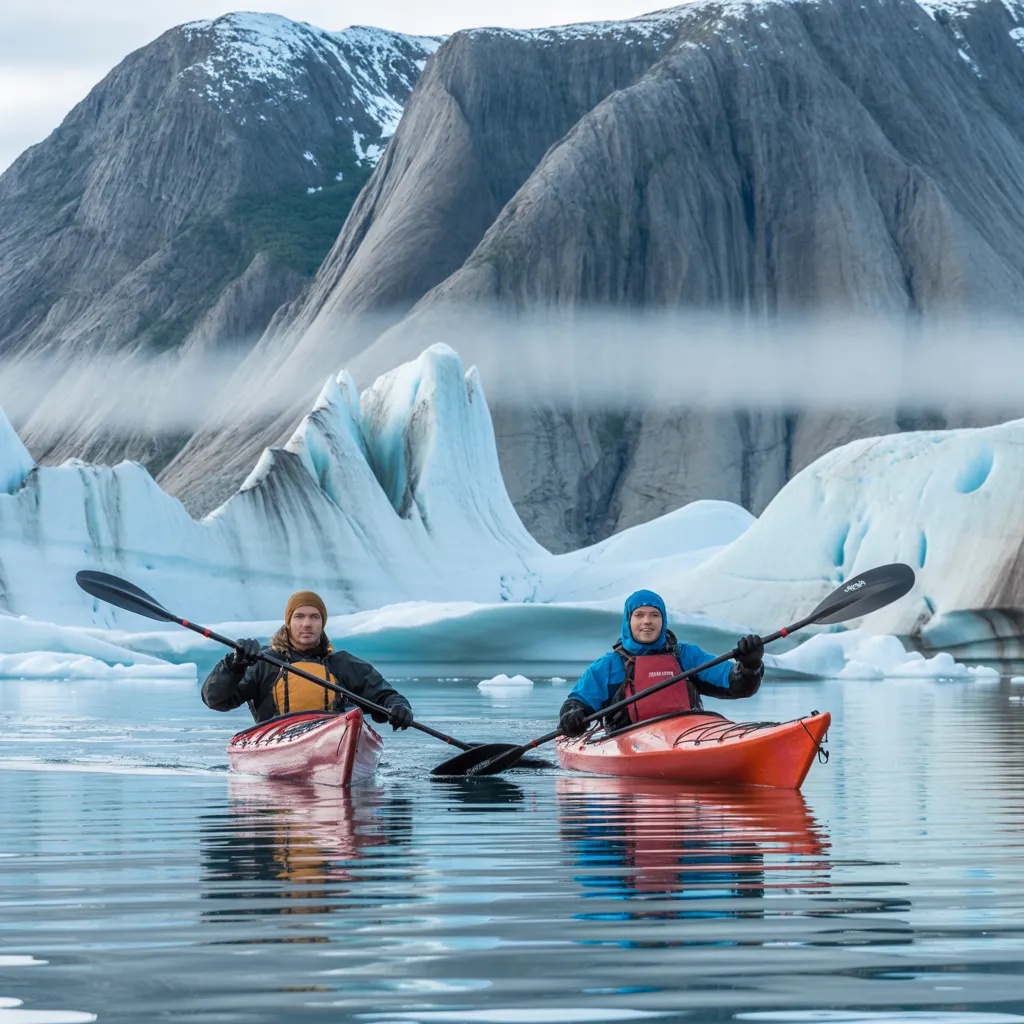
What outdoor activities are available in Alaska's expansive wilderness? Those in search of thrills will find an abundance of activities to discover. Hiking is a popular choice, with routes spanning from gentle walks to rugged backcountry trails. Glacial hiking presents an extraordinary chance to traverse ancient ice formations, while kayaking provides unforgettable encounters with stunning fjords and coastal landscapes.
Passionate fishing lovers can drop their lines in crystal-clear rivers and lakes, presenting the chance for trout, salmon, and halibut. For a unique perspective, tackling rugged terrains on a mountain bike takes the excitement to another level. Winter pursuits also impress, with skiing and snowboarding attracting thrill-seekers to snow-dusted mountain slopes.
Additionally, sled dog racing demonstrates a traditional Alaskan cultural experience, combining agility and cooperation. Each adventure not only reveals the breathtaking natural beauty but also immerses adventurers in the spirit of the Alaskan wilderness, positioning it as a top place for wilderness explorers.
Extraordinary Wildlife Adventures in Alaska?
The wilderness of Alaska functions not only as an arena for outdoor pursuits but also as a protected haven for abundant wildlife. Visitors are often captivated by the opportunity to observe majestic creatures in their natural habitats. The region hosts celebrated species including grizzly bears, moose, and bald eagles, all of which add to its remarkable ecological diversity.
Throughout the summer season, the opportunity to observe humpback whales leaping through the coastal seas is a breathtaking highlight. In the magnificent Denali National Park, wildlife enthusiasts have the chance to see caribou traveling through expansive terrains, while the serene waters of the stunning Kenai Fjords display frolicking sea otters and harbor seals.
Bird enthusiasts will discover joy in the myriad of migratory birds that gather in the region. Each encounter in Alaska's wild offers an memorable adventure, nurturing a deep appreciation for the natural world and its creatures, making it a premier location for avid wildlife lovers.
Itinerary Planning for First-Time Visitors
Trip planning for first-time travelers to Alaska requires careful consideration of key attractions and important packing guidelines. These elements guarantee a memorable experience in the state's vast wilderness. By focusing on key destinations and preparing appropriately, travelers can truly appreciate Alaska's distinctive attractions.
Premier Destinations Worth Visiting
For anyone discovering the breathtaking landscapes of Alaska for the first time, choosing the ideal locations can tremendously enrich the adventure. Exploring Denali National Park showcases the majestic splendor of the continent's most towering summit and chances to observe local wildlife. The picturesque allure of Seward, with its access to Kenai Fjords National Park, presents awe-inspiring glaciers and sea creatures. Anchorage delivers a dynamic urban adventure, merging city life with nature exploration. Moreover, the serene splendor of Glacier Bay National Park enchants visitors with its stunning fjords and rich biodiversity. Every location provides distinct adventures, guaranteeing that newcomers depart with lasting impressions of Alaska's remarkable landscapes.
Vital Packing Advice
Having selected those essential destinations, strategic packing can tremendously benefit the Alaskan journey. First-time visitors should prioritize layers, as temperatures can fluctuate dramatically. A breathable base layer, thermal mid-layer, and weatherproof outer layer will secure comfort throughout changing conditions. Robust, waterproof shoes are critical for walking and discovering rough wilderness terrain.
Furthermore, including a durable backpack for day trips, a reusable water bottle, and snacks will help outdoor enthusiasts maintain their energy. Insect repellent and first aid kits play a crucial role in ensuring safety and comfort. Binoculars for wildlife viewing, a camera for capturing stunning landscapes, and a travel guide can enrich the experience. At the end of the day, a meticulously crafted packing list can be the deciding factor between an unforgettable trip and a difficult one in the Alaskan wilderness.
Remaining Safe While Venturing Into Alaska's Wild Side
While traversing the stunning yet challenging wilderness of Alaska, travelers must place safety first to secure a remarkable journey. Preparation is key; adventurers ought to acquaint themselves with the geography and meteorological conditions, as conditions can shift without warning. Bringing a comprehensive map, a dependable GPS, and a first aid kit is crucial.
Wildlife encounters, particularly with bears, require caution. Learning about bear safety protocols and having bear spray on hand can help reduce possible dangers. Furthermore, outdoor explorers are advised to move in groups whenever feasible and notify someone of their travel plans.
In the event of an emergency, having an effective way to communicate, such as a satellite handset, can be critical to survival. Understanding the signs of altitude sickness and ensuring proper hydration will also contribute to a safer experience. In the end, by honoring the wild environment and making adequate preparations, outdoor enthusiasts can fully enjoy the magnificent grandeur of Alaska's wild side while reducing potential dangers.
Common Questions and Answers
What Are the Common Customs and Etiquette in Alaska?
Throughout Alaska, locals prioritize respect for the environment and communal bonds. Salutations tend to be warm but understated, reflecting a desire for privacy and personal distance. Gifts are warmly welcomed, particularly handcrafted goods, reflecting a deep connection to cultural traditions.
What Are My Options for Getting to Remote Locations in Alaska?
To get to isolated spots in Alaska, adventurers commonly use bush planes, ferries, or snowmobiles. Experienced local guides offer essential support, ensuring safe passage through challenging terrains and entry to off-the-beaten-path locations. Thorough planning is necessary.
Are There Any Unique Cultural Experiences in Alaska?
Alaska presents unique cultural opportunities including authentic Native Alaskan celebrations, native art classes, and traditional storytelling events. Travelers can interact with local communities, gaining insights into their rich heritage and relationship with the natural landscape.
Which Regional Foods Should You Try in Alaska?
Alaska's must-try regional foods consist of wild-caught salmon, halibut, reindeer sausage, and an assortment of game meats. Additionally, dishes featuring local berries, such as blueberries and cranberries, showcase the state's unique culinary offerings.
What Steps Can I Take to Minimize My Environmental Impact While Traveling?
To minimize your ecological footprint during your travels, travelers should make use of public transit, minimize waste, support local economies, choose eco-friendly accommodations, and honor local ecosystems. Responsible travel behaviors improve the overall trip while protecting the destination's integrity.